Top Tips for Picking and Preserving Fresh Cut Flowers from the Field
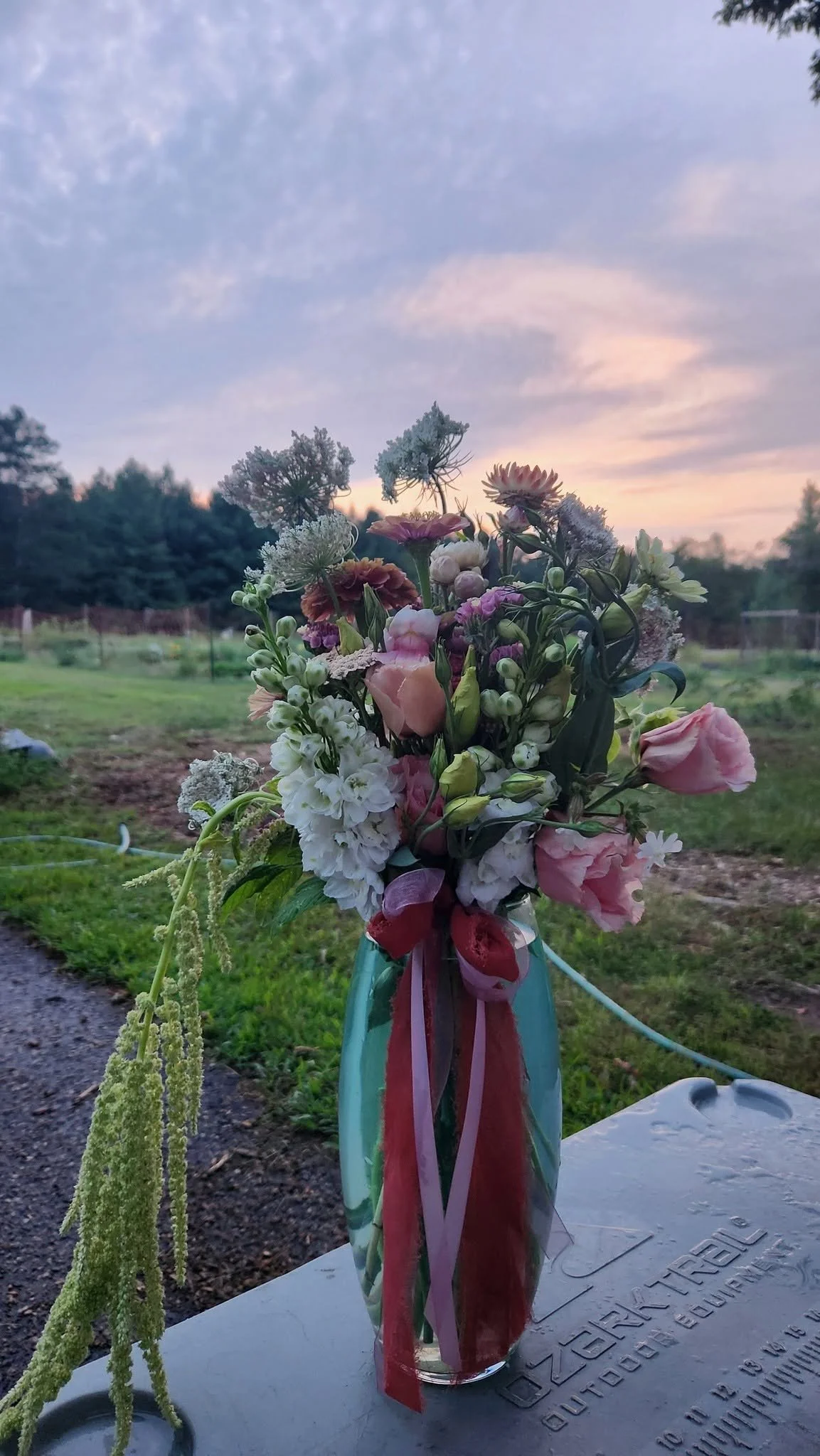
If you’re wondering how to make your fresh-cut flowers last longer and look their best at home, you’re in the right place. With the right technique and a little know-how, your blooms can stay vibrant and healthy for days—even a week or more!
There’s nothing quite like the joy of handpicking your own bouquet straight from a field of blooming flowers. At The Romestead Flower Farm, we see it every day—guests lighting up as they spot the perfect sunflower, bend to snip a fragrant stem of snapdragon, or hold a rainbow of zinnias up to the sun.
But once you’ve created that beautiful bundle, what’s next?
We’ll walk you through our top expert tips for picking and preserving flowers from the field. Whether you’re a first-time visitor to The Romestead or a seasoned bouquet builder, these strategies will help you make the most of your flower-picking experience and keep your arrangements looking fresh far beyond the farm.
Before You Pick: Come Prepared
The first step to preserving flowers starts before you ever cut a stem.
Bring the Right Tools
We provide everything you need at The Romestead—clean snips, water, and guidance—but if you’re a regular picker or planning to visit multiple times, you might want to bring your own supplies.
Essentials include:
Clean, sharp snips or floral scissors
A 32oz cup or bring your own 5 gallon bucket and fill with cool water
A lightweight bag or tote to carry your supplies
Optional: a clean towel to wrap stems in for the ride home
Keeping tools clean and sharp helps prevent crushing stems or introducing bacteria, which can shorten vase life.
Pick at the Right Time of Day
For the longest-lasting flowers, early morning is ideal. The air is cool, and the plants are fully hydrated from overnight dew. Late afternoon or early evening is the next best time.
Avoid picking flowers in the midday sun, especially during heatwaves—blooms picked in peak heat tend to wilt faster and have less staying power.
How to Pick Flowers Properly
Picking flowers with care isn’t just good for your bouquet—it’s good for the health of the plant and the future blooms still on the stem.
Cut at the Right Point
Use your snips to cut the flower just above a leaf node or side shoot. This encourages the plant to grow more stems, helping it stay productive all season long.
For most cut flowers, the longer the stem, the better, especially if you want to arrange them in vases or taller jars at home. Don’t be afraid to go deep!
Put Them in Water Immediately
The moment a flower is cut, it starts losing moisture. That’s why it’s crucial to drop your stem into water right away—ideally within 30 seconds of cutting.
At The Romestead, we’ll water for you to carry as you pick. Keep it in the shade as much as possible while you work.
Choose Mature Blooms (But Not Too Mature)
For maximum vase life, pick blooms that are just beginning to open. Fully open flowers may be more photogenic, but they’ll also fade faster once brought home.
Some flowers, like sunflowers, dahlias, and zinnias benefit from being picked when they’re halfway open—this gives them enough time to open fully in the vase without going past their prime.
After Picking: Handle with Care
Once your bouquet is full and you’re ready to leave the field, you’re only halfway to a long-lasting arrangement.
Here’s what to do as soon as you get home:
1. Re-Cut the Stems
Use a sharp, clean knife or scissors to re-cut each stem at a 45-degree angle under cool running water. Cutting at an angle increases the surface area for water uptake and helps prevent stems from sitting flat at the bottom of the vase.
Why under water? It prevents air from entering the stem’s vascular system, which can block hydration.
2. Remove Lower Leaves
Strip any leaves that will sit below the waterline in your vase. Leaves submerged in water will rot, introduce bacteria, and shorten your bouquet’s lifespan.
3. Clean the Vase
Always use a clean vase filled with room temperature water. A quick rinse isn’t enough—wash thoroughly with soap and hot water to eliminate bacteria that can clog stems and cause wilting.
Flower Care Tips for Longer Vase Life
With the flowers arranged in a clean vase, here are a few tried-and-true tips to help them last as long as possible:
Change the Water Daily (or Every Other Day)
Fresh water is one of the most important elements of flower care. Every day or two, dump out the old water, rinse the vase, and refill with clean water. You can also give each stem a fresh trim at the same time.
Keep Flowers Cool
Avoid placing your bouquet in direct sunlight, next to heat sources, or near ripening fruit (which releases ethylene gas that can cause flowers to fade).
Instead, choose a cool location out of drafts and away from busy vents or appliances.
Use a Flower Preservative (Optional)
Store-bought flower food packets contain a mix of sugar, acidifiers, and anti-bacterial agents. They can extend the life of your bouquet—but they aren’t always necessary.
Want a homemade option? Try this simple DIY recipe:
1 teaspoon sugar
1 teaspoon white vinegar
A few drops of bleach
Add to 1 quart of warm water
This mix nourishes the blooms and discourages bacterial growth.
Tips for Specific Flowers
Not all flowers behave the same in a vase. Here are a few Romestead favorites and how to keep them happy:
Zinnias
Pick when fully open (buds won’t open after cutting).
Strip leaves and keep water fresh—they can get slimy fast!
Vase life: 5–7 days
Sunflowers
Choose blooms just starting to open.
Re-cut stems daily to prevent drooping.
Vase life: 5–10 days
Dahlias
Cut in the cool of the morning.
Re-cut stems under warm water to encourage hydration.
Vase life: 3–6 days
Snapdragons
Pick when lower flowers are open and top buds are still tight.
Re-cut stems and change water every other day.
Vase life: 5–8 days
Cosmos
Pick when fully open.
Delicate and airy—change water gently.
Vase life: 4–6 days
Bonus: How to Dry Flowers from the Field
Want to preserve your Romestead bouquet for even longer? Try drying some of your flowers!
Here’s how:
Air-Drying
Strip all leaves.
Tie stems in small bunches with twine.
Hang upside down in a dry, dark space (like a closet or shed).
Leave for 2–4 weeks until fully dry.
Best flowers for drying:
Statice
Strawflower
Celosia
Globe amaranth
Yarrow
Silica Gel (For Delicate Blooms)
For roses or peonies, bury the bloom in a container of silica gel and let it dry over 1–2 weeks. This method preserves color and shape better than air drying alone.
Helpful Add-ons for Flower Lovers
Want to take your flower-picking game to the next level? Here are a few extras to pack in your car or tote:
Garden apron or belt for snips and tags
Tote bag or crate to keep flowers upright on the ride home
Insulated water bottle for yourself (hydration is key!)
Phone or camera for capturing your creations
Notebook or app to track your favorite bloom varieties
We also encourage bringing a friend or family member—the joy of flower picking only grows when it’s shared.
Bringing It All Together
Picking flowers is more than just a hobby—it’s a celebration of color, scent, and seasonal beauty. Whether you’re curating a wild, whimsical arrangement or carefully choosing each stem for symmetry, there’s no wrong way to build a bouquet. But with the tips above, you can take your flower-picking experience from lovely to lasting.
At The Romestead Flower Farm, we grow every bloom with care, and we love helping our guests connect with nature in an intentional, joy-filled way. When you follow these expert tips, you’re not just preserving flowers—you’re preserving memories.
We can’t wait to see what you create in our fields.
